Wall Painting in Boston, MA
Clean lines and even coats, whether it's one wall or a whole floor.
- Licensed & Insured
- Same-Day Available
- Satisfaction Guaranteed
Why You Need It
Painting a wall sounds easy until you do it. Bad tape lines, roller marks, paint on the ceiling, and then a patchy first coat that needs a second. It eats your whole weekend and still looks like a rental job. Old plaster walls make it harder because they soak up paint unevenly — and in a lot of Boston triple-deckers, that plaster has been patched by three different people with three different opinions about primer. We quote each wall based on what it actually needs, not a one-size number.
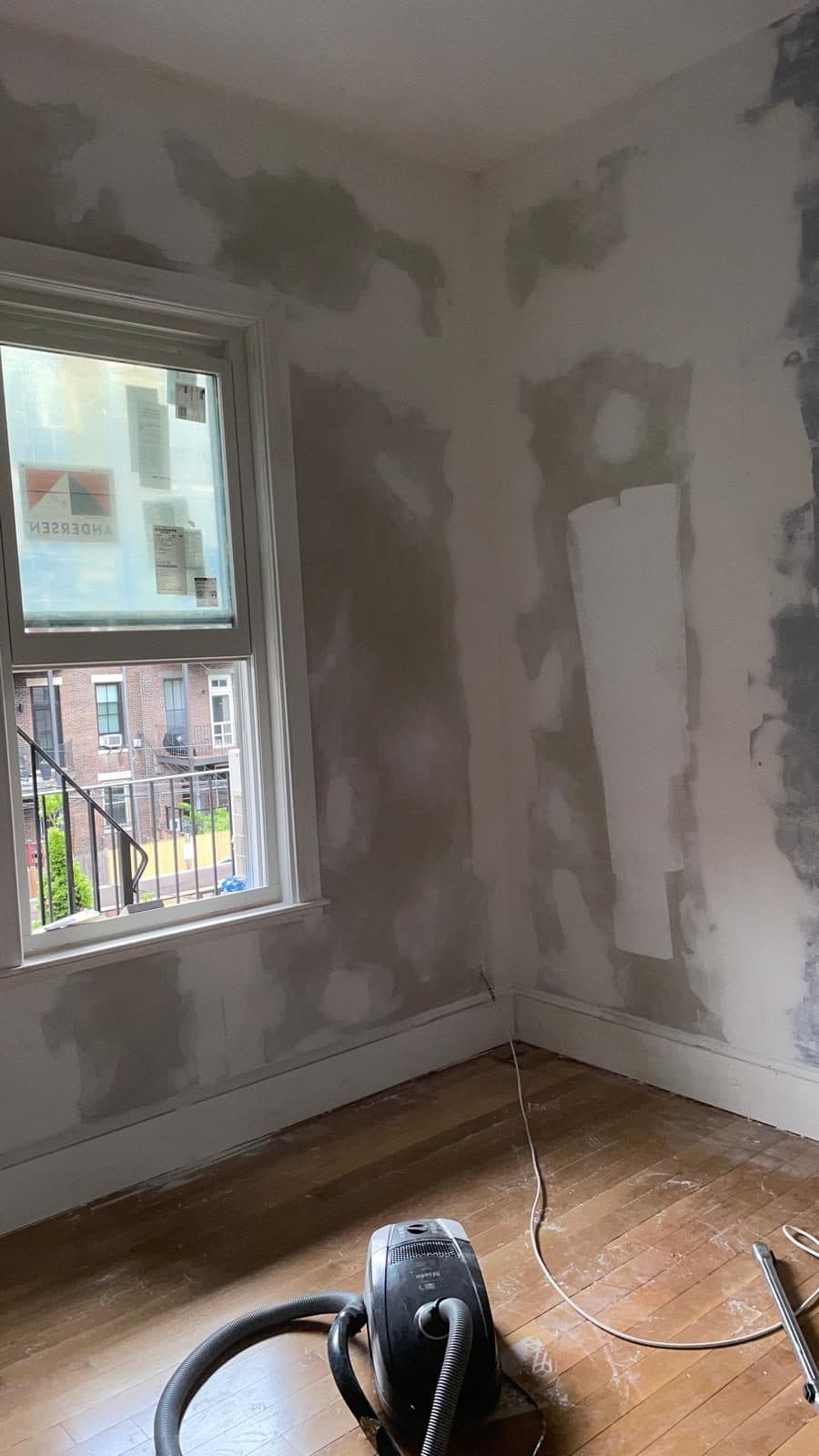 Before
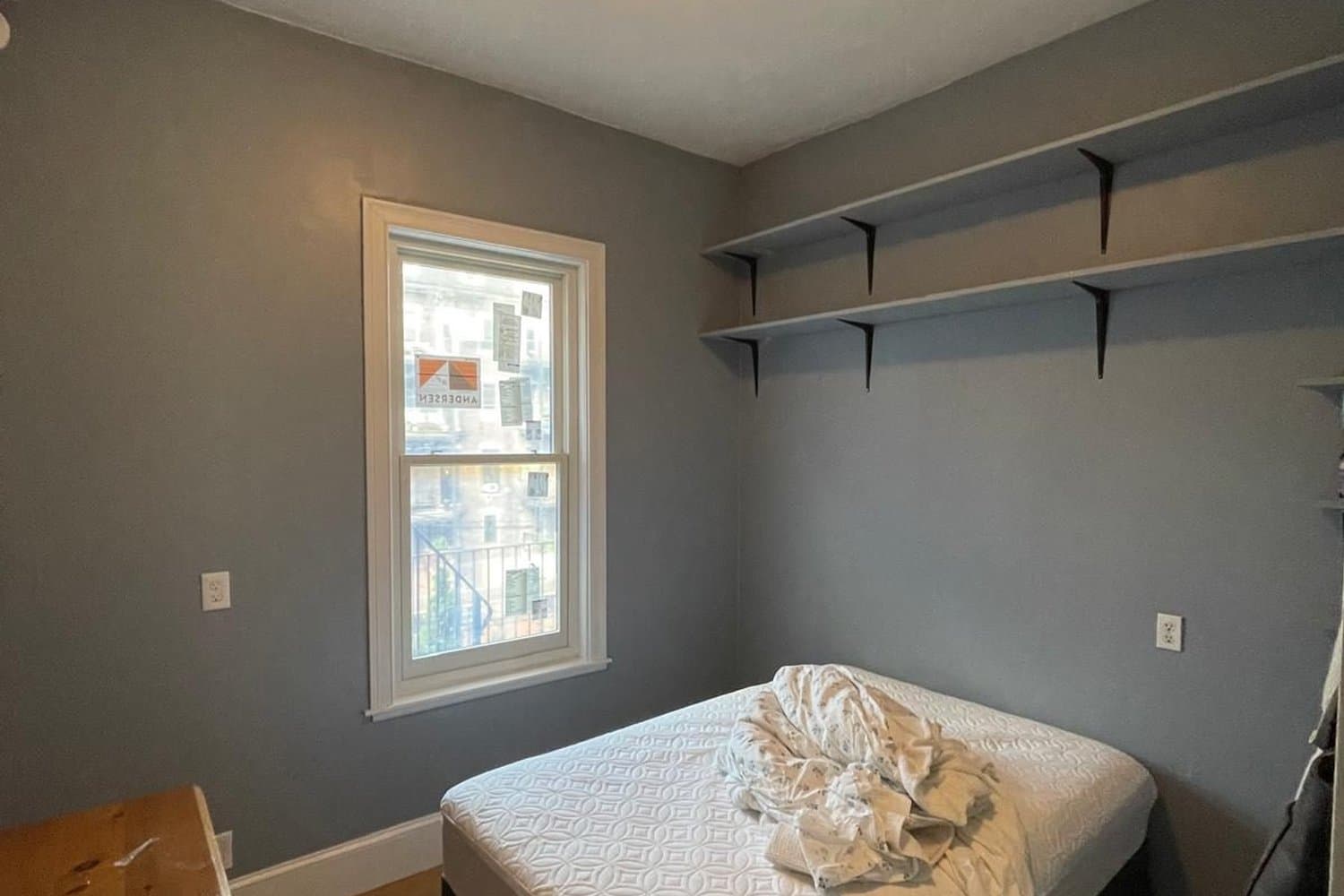 After
AfterWhat It Includes
We prep first, which is the part that matters most. We fill dings, sand rough spots, tape clean edges, and prime where it is needed. Then we roll even coats so you get a smooth, solid color with sharp lines at the trim. One room, one wall, or a whole floor. Pricing follows the same logic as the prep — we look at the room, the wall condition, and the coats needed before we quote a number, rather than guessing at a flat rate.
What's Included
- Whole rooms, single walls, or a full floor
- Taping and prep before any paint goes on
- Even coats with clean lines at the trim
- Adjustments for old plaster vs. new drywall
How Long It Takes
A single room is usually one day. A whole floor or several rooms runs a couple of days with dry time between coats.
Furniture moved and covered, floors protected, clean edges, no splatter. We show up on time and clean up after. Part of our interior painting service in Boston and the North Shore.
Wall Painting FAQs
How much does wall painting cost?
It's quoted by scope, not a flat per-room rate, because the room size, wall condition, and how much patching or priming it needs all change the labor. A single freshly-drywalled room prices out very differently than a whole floor of cracked plaster. Tell us what you're picturing and we'll give you a real number.
Do old plaster walls take paint differently than drywall?
Yes. Plaster, common in homes built before the mid-1900s across Melrose, Somerville, and Cambridge, tends to soak up paint unevenly and can have hairline cracks that telegraph through a coat if they're not patched first. Drywall behaves more predictably but has its own seams and screw dimples to deal with. We adjust prep and priming for whichever one is on your walls. See This Old House's rundown on plaster vs. drywall.
Will I see roller marks or patchy spots?
Careful taping, prep, and an even coat are how we avoid roller marks and patchy spots that would otherwise need a third coat to fix.
Can you paint just one wall, or does it have to be the whole room?
Either. Whole rooms, single walls, or a full floor of a house are all within scope. We've also fixed plenty of accent walls that were supposed to be a weekend project three owners ago.
Is painting an old wall going to kick up lead dust?
It can, if the surface is sanded or scraped. Homes built before 1978 may have lead-based paint under later coats, and the EPA's Renovation, Repair, and Painting rule covers work that disturbs those painted surfaces. If your home falls in that window, it's a fair question to ask before any sanding starts — we're glad to talk through what your specific walls need. See the EPA's lead-safe renovation page.
Should I paint the walls myself first?
For a small, already-flat drywall room, sure. Where it gets tricky is old plaster — uneven absorption shows up as blotchy sheen differences, and a rushed patch job telegraphs through the finish coat within weeks. If you've started and it's not going the way you hoped, we also step in mid-project.